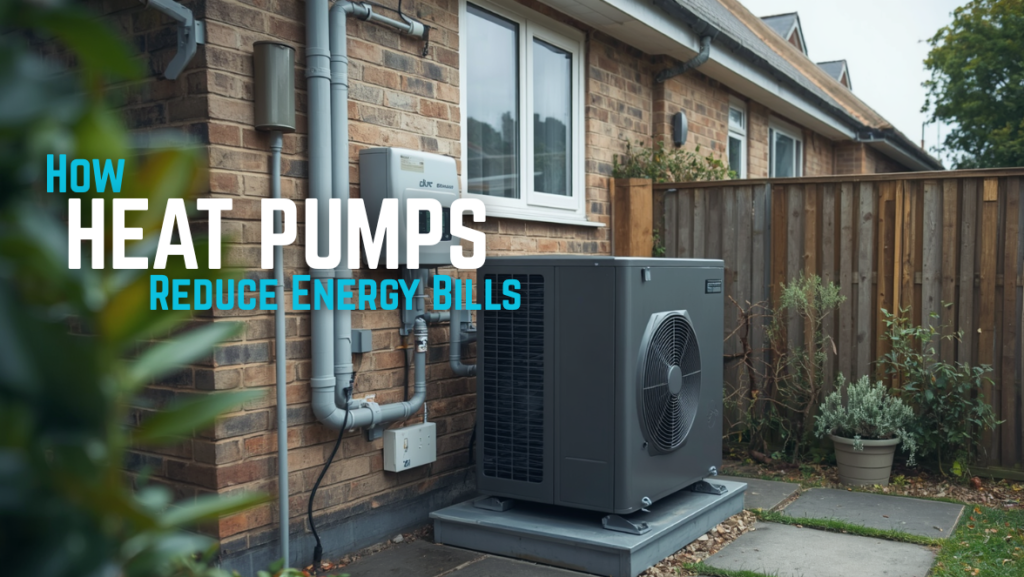
More homeowners are researching best heat pumps UK because buying a heat pump is not like buying a basic appliance. It is a whole-home heating decision. UK guidance now makes that clearer than ever. Energy Saving Trust says heat pumps are suitable for almost all types of home, and the government’s own suitability checker compares likely cost and carbon outcomes based on the property, not just the product name.
There is no single “best” heat pump brand for every UK home. The best option is the one that is correctly sized, properly installed, suits your radiators or underfloor heating, matches your hot water needs, and comes with strong controls, aftercare, and installer support. Brand matters, but system design matters more.
What is the best heat pump brand UK?
The honest answer is that the best heat pump brand UK depends on the home, not just the badge on the outdoor unit. A strong brand can still deliver a poor result if the heat loss has been misjudged, the emitters are undersized, or the controls are set badly. MCS-backed design guidance says accurate room-by-room heat loss calculations are fundamental to making sure a heat pump can heat a property adequately at relatively low flow temperatures and high efficiency. Ofgem’s Boiler Upgrade Scheme guidance also requires installers to be MCS certified for supported installations.
That means the better question is not “Which brand wins?” but “Which model and installer combination is right for my home?” For most UK buyers, the shortlist usually includes well-established names such as Mitsubishi Electric Ecodan, Vaillant aroTHERM plus, Daikin Altherma, Grant Aerona 290, and NIBE. Each has strengths, but none is automatically the best in every property.
What actually makes one of the best heat pumps UK options?
Efficiency that works in real life, not just on paper
A good heat pump should be efficient, but the published figure is only part of the story. Energy Saving Trust notes that real-world running costs depend on things such as radiator sizing, tariff choice, and how the heat pump is controlled. It also highlights that heat pumps work harder in colder weather, which is why seasonal performance matters more than one headline number.
Noise levels that suit real homes
Noise matters more in UK housing than many brochures admit. Quiet Mark notes that low-noise performance is influenced not only by the unit itself, but also by professional installation, where it is positioned, and ongoing maintenance. That is why a genuinely strong buying guide should treat noise as a system issue, not just a marketing claim.
Cold-weather performance
The UK climate is not extreme by international standards, but winter performance still matters. The government’s heat pump campaign says heat pumps can take heat from the air or ground even in sub-zero weather, and Energy Saving Trust says modern models can work below freezing, although efficiency falls as temperatures drop. Some brands also publish stronger low-temperature claims on specific models, which can matter in exposed or colder locations.
Controls, hot water, and day-to-day usability
The best air source heat pump UK buyers choose is not just the one with the best lab figure. It is also the one that is practical to live with. Mitsubishi Electric highlights FTC6 controls, MELCloud smart wireless control, and metering and monitoring packages in its Ecodan range. Good controls matter because Energy Saving Trust says a poorly set heating curve can increase running costs.
Warranty, servicing support, and installer network
A heat pump is a long-term purchase, so aftercare counts. Vaillant states that aroTHERM plus comes with a two-year standard guarantee that can be extended up to seven years under certain installer and system conditions. Grant states that Aerona 290 is available with a seven-year guarantee through its G1 installer route. NIBE says standard warranty registration gives two years, with extended warranty access via a NIBE Pro installer.
Brand comparison. Well-known options in the UK market
This is not a ranked list. It is a practical overview of what different brands appear to emphasise in the UK market.
Mitsubishi Electric Ecodan
Mitsubishi Electric positions Ecodan as a broad domestic range with smart controls, low-noise messaging, and UK-focused support. Its residential pages highlight MELCloud controls and monitoring, and its installer network includes a public finder for accredited partners who can advise, install, service, and maintain systems. On certain models, Mitsubishi also publishes very strong cold-weather credentials, including guaranteed operation down to -25°C on the Ecodan R290.
Vaillant aroTHERM plus
Vaillant’s aroTHERM plus is aimed at homes needing heating and hot water from a single low-carbon solution. Vaillant also leans heavily on warranty positioning, with a two-year standard guarantee extendable up to seven years in specific partner-installer scenarios. For homeowners who want strong brand familiarity and a clear aftercare story, that is relevant.
Daikin Altherma
Daikin’s strength in the UK market is breadth. Its air-to-water range spans low-temperature, mid-temperature, and high-temperature options, including models aimed at new-build homes and models positioned as easier replacements in older homes. That makes Daikin especially relevant when buyers want to compare different system types within one ecosystem rather than being pushed into a one-size-fits-all answer.
Grant Aerona 290
Grant’s Aerona 290 stands out for a few specific reasons that are easy to verify. Grant states that the range carries Quiet Mark accreditation throughout, uses R290 refrigerant, and is available with a seven-year guarantee when installed by a G1 installer. If low noise, refrigerant choice, and installer-linked warranty are high on your list, Grant is clearly worth comparing.
NIBE
NIBE is one of the more established heat pump-focused names in the market. Its UK homeowner pages emphasise a long history in heat pumps and smart technology, and its warranty pages make it clear that installer route affects the level of support available. For some buyers, that specialist heritage will carry weight, especially where long-term system ownership is part of the decision.
Brand alone is not enough
This is the part many comparison articles get wrong. A premium brand cannot rescue a weak design. Energy Saving Trust’s toolkit is explicit that accurate heat loss calculation is fundamental to heat pump design, emitter sizing, and high efficiency. Energy Saving Trust also says air source heat pumps can heat homes via radiators or underfloor heating and store hot water in a cylinder, which means the rest of the heating system matters just as much as the outdoor unit.
The same applies to controls and operating strategy. Energy Saving Trust says the heating curve should be set correctly from the start, because if it is too high it can increase running costs. It also recommends longer operating periods and, in some cases, radiator upgrades to improve efficiency. In other words, choosing a heat pump for your home is about sizing, emitters, control logic, and user setup, not just brand comparison.
How to compare heat pump brands for UK homes
Use the table below as a buying framework rather than a ranking table.
| What to compare | Why it matters |
|---|---|
| Heat loss and sizing | A correctly sized system is fundamental to comfort and efficiency |
| Flow temperature compatibility | Lower flow temperatures usually improve running efficiency |
| Radiator or underfloor suitability | Heat pumps work through emitters, so the rest of the system matters |
| Hot water setup | Many systems need a cylinder and should be matched to household demand |
| Noise and siting | Real-world sound depends on the unit, position, and installation quality |
| Controls and monitoring | Good controls can improve comfort and reduce running costs |
| Warranty and aftercare | Heat pumps are long-term assets, so support matters |
| Installer network | A strong local installer and service route reduces future risk |
Every row in that table comes back to the same principle. Compare the whole heating system, not just the brochure headline. UK guidance and manufacturer pages consistently point back to sizing, controls, emitters, hot water needs, and installer quality.
Practical buyer’s checklist
Before deciding which of the top heat pumps for UK homes deserves a closer look, ask these questions:
- Is the home reasonably well insulated, or are fabric upgrades planned?
- Will the system run through existing radiators, or would larger emitters help?
- Do you need a strong hot water performance for a larger household?
- Is outdoor noise or siting likely to be a concern?
- Do you want simple controls, app control, or deeper monitoring?
- Is there a reputable local installer who knows the brand well?
- What warranty applies in the exact installer scenario, not just in the brochure?
- Are you comparing upfront cost only, or also servicing, support, and long-term running costs?
Financial support can matter too. In England and Wales, the Boiler Upgrade Scheme currently offers £7,500 towards an air source heat pump and £7,500 towards a ground source heat pump. That does not decide which product is best, but it can materially affect the shortlist and the value conversation.
If you want to compare real systems rather than read another generic top-10 list, it makes sense to browse our heat pump product range first and narrow the options by home type, output, and intended use.
Quick summary for skim readers
- There is no single best brand for every UK property.
- The best option is the one that fits the home, the emitters, the hot water demand, and the installer’s design.
- Key buying factors are efficiency, noise, controls, cold-weather behaviour, warranty, and local support.
- Well-known UK-market names include Mitsubishi Electric, Vaillant, Daikin, Grant, and NIBE.
- Brand matters, but sizing and commissioning matter more.
- Compare systems in the context of your property, not in isolation.
If you are ready to move from research to a property-specific recommendation, the sensible next step is to get a tailored quote based on your home rather than guess from brand marketing alone.
FAQ
What is the best heat pump brand UK?
There is no universal winner. The best brand for one home may be the wrong choice for another. The right answer depends on accurate heat loss, emitter compatibility, hot water demand, controls, budget, installer skill, and aftercare.
What should I compare when choosing a heat pump for my home?
Focus on sizing, likely flow temperature, radiator or underfloor compatibility, hot water setup, controls, servicing support, warranty conditions, and noise. These factors will usually tell you more than a generic “best brand” list.
Do heat pumps work well in cold UK weather?
Yes. Government guidance says heat pumps work even in sub-zero weather, although efficiency drops as outdoor temperatures fall. Some manufacturers also publish stronger cold-climate claims for specific models.
Are expensive brands always better?
Not necessarily. A premium product can still disappoint if it is badly sized or poorly commissioned. Good design and installer competence are central to performance, comfort, and running costs.
Should I choose a brand based on warranty alone?
Warranty matters, but it should not be the only factor. Some brands offer extended cover only through specific partner installers or registration rules, so it is important to compare the actual terms alongside support, controls, and installer quality.
Conclusion
For most buyers, the answer to best heat pumps UK is not a single brand name. It is a properly matched system. The strongest UK options are the ones backed by solid design, sensible controls, good local installer support, appropriate warranty cover, and a model that suits the home’s heat loss, emitters, and hot water demand. If you use that standard, you make a better decision than any simple ranked list can offer.