How Heat Pumps Reduce Energy Bills
Introduction
Heating a home uses a large portion of household energy, especially in colder months. Because of rising energy prices and environmental concerns, many homeowners are now looking for more efficient ways to heat their homes. This is where heat pumps are becoming increasingly popular.
Many people ask, why are heat pumps more energy efficient than boilers or electric heaters? The answer lies in how the system operates. Heat pumps do not generate heat in the traditional way. Instead, they transfer heat from the outside environment into your home using electricity, which allows them to produce more heat energy than the electricity they consume.
This is why heat pumps are often described as one of the most efficient heating systems available today. Understanding how they work and why they use less energy can help homeowners make better decisions about their heating systems.
What Is a Heat Pump?
A heat pump is a heating system that moves heat from outside to inside your home rather than creating heat through combustion or electric resistance.
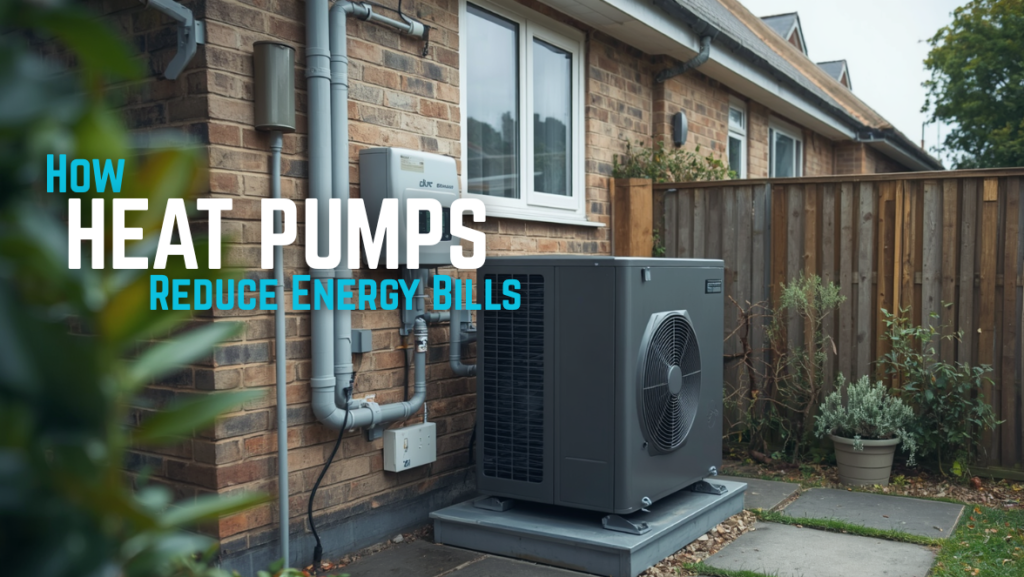
The most common type installed in UK homes is the air source heat pump, which extracts heat from the outside air and transfers it into your home’s heating system.
Heat pumps can provide:
- Space heating
- Hot water
- Underfloor heating
- Radiator heating
Because they transfer heat rather than generate it, they are known for high heat pump efficiency and lower energy consumption.
How Heat Pumps Work
Understanding how heat pumps work helps explain why they are so efficient.
The system works through a cycle:
- The outdoor unit absorbs heat from the air
- A refrigerant fluid captures the heat
- The compressor increases the temperature
- Heat is transferred into the home heating system
This process allows the heat pump to deliver heating while using less electricity than traditional heating systems.
This is the main reason for heat pump energy savings.
Why Heat Pumps Use Less Energy Than Boilers
Traditional boilers burn gas or oil to produce heat. During this process, some energy is always lost. Even efficient boilers cannot avoid energy loss because combustion is never perfectly efficient.
Heat pumps work differently. They move heat rather than generate it, which allows them to achieve much higher efficiency levels.
This means:
- Less energy is required to heat your home
- Heating systems run more efficiently
- Lower overall energy consumption
- Reduced carbon emissions
This is why many homeowners comparing heat pump vs boiler energy use find that heat pumps are more efficient over time.
Heat Pumps vs Electric Heating
Electric heaters convert electricity directly into heat. While this is simple, it is not the most efficient way to heat a home.
Electric heating produces one unit of heat per unit of electricity.
A heat pump can produce multiple units of heat from the same electricity input, which makes it significantly more efficient.
This is why homes switching from electric heating often see strong air source heat pump savings.
How Much Energy Can a Heat Pump Save?
The amount of energy saved depends on the property, insulation, and the heating system being replaced.
However, heat pumps generally reduce energy consumption because they use electricity more efficiently than traditional heating systems.
Energy savings are usually influenced by:
- Property insulation
- Heating system design
- Outdoor temperature
- System installation quality
- Heating usage patterns
Many homeowners find that switching to a heat pump reduces the overall energy required to heat their home.
This is why many people use a heat pump savings calculator before installing a system.
What Affects Heat Pump Efficiency?
Several factors affect heat pump efficiency and energy savings.
Insulation
A well insulated home retains heat longer, meaning the heat pump does not need to work as hard.
Radiators or Underfloor Heating
Heat pumps work best with larger radiators or underfloor heating systems that operate at lower temperatures.
Outdoor Temperature
Heat pumps work well in the UK climate because winters are moderate compared to very cold regions.
System Installation
Correct sizing and installation are very important. Poor installation can reduce efficiency and increase running costs.
This is why homeowners should always get a quote from a professional installer before installing a heat pump.
Are Heat Pumps Worth It?
Heat pumps are becoming increasingly popular because they offer:
- Lower energy consumption
- More efficient home heating
- Reduced carbon emissions
- A renewable heating system
- Future-ready heating technology
However, suitability depends on the property and insulation levels. The best way to understand whether a heat pump is suitable is to use a heat pump savings calculator and then get a quote from a professional installer.
Use a Heat Pump Savings Calculator
A heat pump savings calculator helps homeowners estimate:
- Heating costs
- Energy usage
- Potential savings
- Payback period
This helps homeowners understand whether switching to a heat pump makes financial sense.
Frequently Asked Questions
Why are heat pumps more energy efficient?
Heat pumps are more efficient because they transfer heat instead of generating it through combustion or electric resistance heating.
Do heat pumps reduce electricity usage?
Heat pumps use electricity, but they use it more efficiently, so the total energy used for heating is usually lower.
Are heat pumps suitable for UK homes?
Yes, the UK climate is suitable for air source heat pumps, and many homes can benefit from them.
Do heat pumps work in winter?
Yes, modern heat pumps are designed to work in cold weather and continue operating efficiently.
What affects heat pump running costs?
Insulation, radiator size, outdoor temperature, and system installation all affect running costs.
Conclusion
Heat pumps are considered energy efficient because they transfer heat instead of generating it, which allows them to produce more heat while using less energy overall. This makes them one of the most efficient heating systems available for modern homes.
For homeowners looking to reduce energy consumption and improve heating efficiency, heat pumps offer a practical long-term solution. Using a heat pump savings calculator and choosing to get a quote from a professional installer are the best next steps when considering switching to a heat pump.